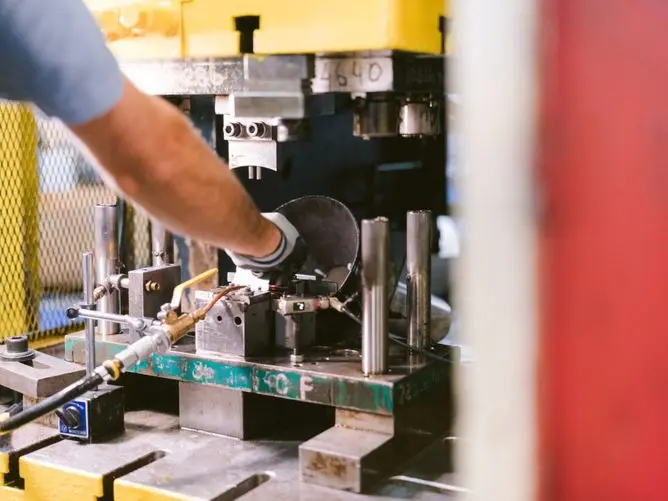
A control plan is more than a customer quality document. We treat it as a practical roadmap for keeping a new progressive die metal stamping program steady, from the first coil receipt through production approval and shipment.
Without clear controls, small problems can become launch delays. A missed dimension, heavy burr, damaged die, mixed material, or unclear inspection call can lead to sorting, rework, production interruptions, and late deliveries. For OEM sourcing, quality, engineering, and operations teams preparing first-quarter launches, November is a smart time to finalize the plan before year-end schedules, staffing changes, and planned maintenance windows tighten the calendar.
The starting point is turning the part print, customer specifications, and functional needs into a short, clear list of critical-to-quality characteristics, often called CTQs. Not every dimension needs the same level of attention. We focus the plan on the features that can affect how the part fits, performs, assembles, or meets customer and regulatory requirements.
Depending on the part, CTQs may include:
A routine dimension may be important, but a critical feature has a direct effect on fit, safety, downstream assembly, performance, or compliance. For example, a hole pattern that aligns a part in an assembly should receive closer control than a nonfunctional edge length with a wider tolerance.
Each CTQ in a progressive die metal stamping control plan should connect to a defined measurement method, inspection frequency, acceptance criteria, recordkeeping requirement, and responsible role. That may mean a go/no-go gage at the press, a dimensional check by quality personnel, or a documented visual review during packaging. Clear assignments help prevent one shift from accepting a condition that another shift would reject.
A strong plan follows the real process, not an idealized version of it. Mapping every step, beginning with incoming material verification and continuing through blanking, piercing, forming, restriking, part ejection, final inspection, packaging, and shipment, is recommended. At each point, the team should identify what could go wrong, how it will be detected, and who responds.
Common in-process controls may include:
Controls work best when they are placed where they can stop a defect from moving forward. If a feed issue can shift a hole pattern, detecting it at the press is far better than finding it during final inspection after a container is full of suspect parts. The same thinking applies to slug buildup, strip misalignment, and incomplete part ejection.
First-piece approval sets the baseline at startup. We also recommend startup verification after a shift change, material change, die adjustment, or extended stoppage. Documented restart checks give operators and supervisors a consistent way to confirm that the press, die, material, and inspection method are ready before regular production resumes.
Every control needs a matching reaction plan. A measurement result, sensor alarm, or visible defect only helps if everyone knows what to do next. Reaction steps should be built before launch so operators, quality personnel, maintenance teams, and supervisors are not making high-pressure decisions on the fly.
A useful reaction plan should explain when to stop the process, when to hold material, and who has authority to restart production. It should also identify how to protect the last known good parts from becoming mixed with suspect production.
When a control fails, the response should generally include the following steps:
Traceability makes containment faster and more focused. For demanding aerospace, automotive, EV, defense, solar, and industrial programs, we recommend tracking material lot or heat information, press identification, die revision, operator, shift, inspection results, and packaging lot. With that information available, a team can limit an investigation to the affected production instead of sorting material that was never at risk.
Before full production release, the process should show that it can repeatedly make acceptable parts. Early validation planning should include gage repeatability and reproducibility studies, first article inspection, capability studies, run-at-rate trials, boundary samples, and customer-specific approval documents when required.
The control plan should agree with the process failure mode and effects analysis, work instructions, inspection procedures, and production training. If those documents conflict, people can handle the same defect differently from one department to the next. That confusion weakens the entire launch process, even when the die and press are capable of making a good part.
November provides a useful planning window for this work. Scheduling die trials, gage validation, preventive maintenance, supplier approvals, and cross-functional reviews before year end gives the team room to solve problems before first-quarter production schedules become compressed. Tooling changes, inspection updates, and operator training are easier to complete when they are not competing with an urgent launch date.
A launch-ready control plan must be specific to the part, die, press, material, customer requirements, and production environment. A generic template can organize the discussion, but it cannot replace process knowledge, clear ownership, and disciplined validation.
Before production begins, we recommend reviewing the plan with engineering, tooling, quality, production, maintenance, and supply chain stakeholders. When every team understands the CTQs, control points, reaction steps, and traceability records, the launch is better prepared for the normal surprises that can occur on the shop floor.
Banner Metals Group Inc. helps manufacturers align tooling, process controls, and production requirements for reliable progressive die metal stamping. Our team can help you evaluate part requirements and build a practical path from development through repeatable production. Contact us to discuss your upcoming stamping project.