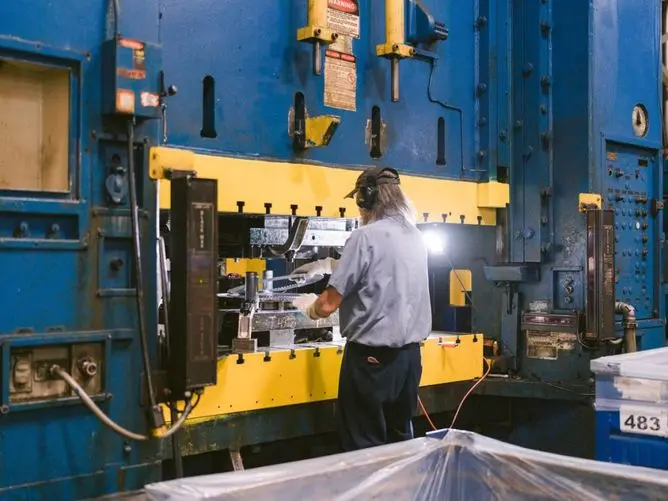
Precision matters. When it comes to metal stamping, even the smallest flaw can ruin an entire part. We’re talking about stamped parts that need to meet high standards and often end up in aircraft, vehicles, or machines where safety comes first. These parts don’t leave much room for mistakes. At Banner Metals Group Inc., we have been manufacturing metal stampings since the 1940s and now operate from more than 70,000 square feet of production space in Columbus, Ohio, which helps us support precision work across demanding industries.
When we produce precision metal stamping parts, the goal is consistency. But mistakes happen when the process isn’t followed closely. From choosing the wrong material to skipping important inspections, there are many ways things can go off track. Let’s take a closer look at what can cause problems and how these errors slip into the production line.
Using the wrong metal at the start can cause the whole process to break down. Even if the stamping setup is perfect, a bad material choice means the final part still won’t come out right. We’ve seen troubles pop up when the metal doesn’t perform the way it should during stamping.
Some common problems include:
Another issue comes from skipping material tests or not reviewing specs carefully. That can lead to errors before the first press even starts. Once production begins, it may be too late to catch these problems without wasting time and materials.
Even excellent raw materials won’t help if the die isn’t set up right. Tooling is where precision starts taking shape, and this part of the process must be consistent and detailed. When dies are misaligned or worn out, parts can come out stamped incorrectly over and over again. Our stamping presses range from 60 tons to 1200 tons, so matching tooling and setups with the proper tonnage is a key part of producing accurate parts.
These setup issues usually show up when:
Something as small as a misaligned die can lead to bent parts, uneven cuts, or entire batches that don’t pass inspection. If we don’t catch those issues early, it can slow everything down and force rework later on.
A tightly controlled process keeps parts coming out uniform. But stamping conditions aren’t always the same. Changes in speed or pressure often happen without notice, especially in busy workflows. Once that consistency is lost, parts can start failing.
Here’s what often leads to trouble:
When we don’t monitor these factors regularly, one small change can throw off an entire batch. It’s not always an obvious difference either. Sometimes, parts look fine at first glance but fail under pressure during use.
Precision metal stamping parts require steady conditions to stay reliable. Any variation introduces risk and raises the chance of defects slipping through.
Inspections are where we catch most problems. But they only work if they’re done carefully and consistently. When things get busy, it’s tempting to cut corners or assume everything looks fine. That’s risky.
Problems with inspections often show up when:
Skipping detailed checks might save time short-term, but it leads to more delays later once faulty parts are discovered. It’s frustrating to get deep into production and realize something small was missed early on.
Once parts are stamped, they still need care. What happens after the press is just as important. We’ve seen plenty of good parts go bad simply from how they were stored, moved, or handled after stamping.
Here are a few common missteps:
It’s easy to think the job’s done once the press shuts off. But if that part isn’t finished right, cleaned, packaged, and handled carefully, it doesn’t matter how perfect the shape is. End-use performance can still fail.
Getting every part right isn’t just about the press. It’s about precision from beginning to end, material choice, tooling, process control, inspections, and handling. Each step plays a key role in making sure the final product works the way it’s supposed to.
Most of these mistakes are avoidable. With good processes, steady checks, and careful planning, we can catch problems before they turn into bigger ones. That’s how we keep quality high and deliver stamped parts our customers can count on.
Working with stamped parts that need to hold up under pressure means every step from tooling to handling counts. At Banner Metals Group Inc., we understand that even small setup issues or missed inspections can lead to larger problems down the line. When quality matters, it’s smart to examine how you produce and inspect your precision metal stamping parts. Staying ahead of defects starts with making informed decisions before the first press hits, and we are ready to discuss how to improve your production process. Contact us today.