Custom metal stamping projects need more than just accuracy. They need to be built to fit right into the systems and equipment they support. That’s why OEM compatibility matters so much. When parts don’t line up or perform the way they’re supposed to, bigger problems can follow. Down the line, that can lead to missed deadlines, product delays, or even damaged equipment.
We’ve worked with OEM metal stamping parts for years, and we know that when everything fits, operations stay smoother and safer. Knowing how to check for compatibility early in the project can help avoid rework and slowdowns later. This approach saves time, keeps quality high, and helps everything run more predictably. Let’s walk through some helpful tips for making sure custom metal stamped parts line up with OEM requirements every step of the way.
Before we start shaping any piece of metal, we spend time reviewing every detail the OEM provides. Those documents might not seem exciting, but they carry all the information needed to get a project rolling in the right direction.
Here’s what we look at first:
Reading through these specs helps us understand what the part must do, how it will connect to other components, and what environment it needs to function in. If something in the specs is confusing or seems off, it’s better to ask about it upfront. That extra step early on can help keep a job from ending up in the rework pile later.
Drawings give us the part’s layout, but they also give us direction. A complete CAD file lets us match up every edge, hole, and curve to make sure our stamping tools will hit those marks. It’s a blueprint we can rely on.
When physical parts are available, we compare them directly with computer designs. This hands-on step helps spot any small differences before we go into production. We do visual reviews combined with tight dimensional checks to catch anything that could affect performance.
Small mismatches at this point can lead to big problems later. By stopping to align dies and samples before the presses start, we build in peace of mind.
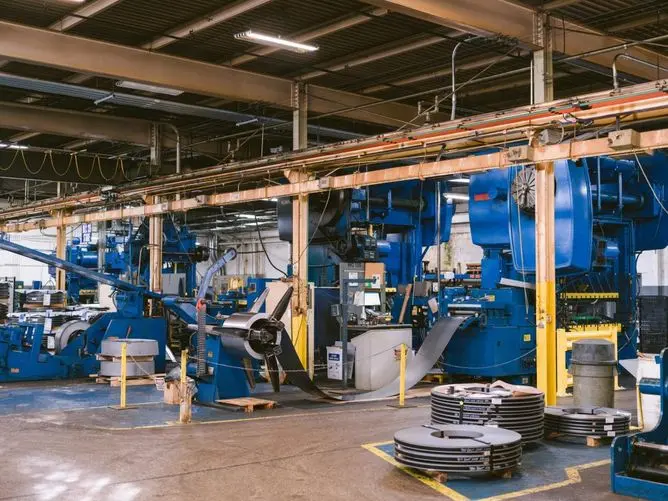
Making a good part starts with good materials and the right tools to shape them. For OEM metal stamping parts, it’s not just about picking any stainless or aluminum. It’s about choosing the thickness, treatment, and finish that matches the need. Our stamping capabilities include presses from 60 tons to 1200 tons, along with the ability to run thinner coil around 0.018 inches and heavier bar up to 0.750 inches in alloys such as cold rolled and hot rolled steel, stainless, brass, and aluminum, which helps support a wide range of OEM designs.
Here’s what we think about before pressing start:
Even small changes in finish or tempering can affect how a stamped part fits into its intended place. That’s why we test materials beforehand and pick tooling that gives consistent results. The right combination of metal and process helps avoid warping, cracks, and wrong fits.
From the first drawing to the final part, staying in touch with engineers at every step makes a real difference. Open conversations help us spot what matters most in a part, even if it’s not written down.
When we’re unsure about something, we speak up. That small question early on can save days of errors later. We’ve also found that short check-ins, even by email or phone, can keep everyone on the same page.
Good communication helps when something needs to change mid-project too. Instead of backtracking, we can move forward with confidence because no one’s surprised. That back-and-forth builds trust and helps the final part come out right the first time.
Once a part is stamped, the checks aren’t over. We put it to the test. Fit checks show whether the part slides into place where it belongs. Functional checks help us know if it handles stress, heat, and movement the way it should.
During inspection, we double-check shape and surface using:
All these steps make sure we’re not guessing. When a stamped part passes every test, we know it fits into the system without disruption. Our quality management system is certified to AS9100D and ISO 9001:2015, which helps us keep these checks consistent for demanding OEM programs.
Making OEM metal stamping parts that fit right starts with something simple, following the specs. But it also takes a mindset. We choose to slow down early in the project, so the steps that follow move faster and more smoothly.
By reviewing every requirement, matching drawing to sample, picking the right tools, talking to engineers, and testing the final part, we build in confidence. These small steps add up to fit, function, and reliability right where they’re needed. That’s how we stay on track and help finished projects come together the way they should.
At Banner Metals Group Inc., we know how important it is for parts to meet tight specs and perform reliably. When you’re working on projects that require tight fits and consistent quality, small details like material choices and inspections can make a big difference. If you’re building or sourcing OEM metal stamping parts, we’re here to help you keep everything aligned from start to finish. Let’s talk about your next project and how we can support your precision needs. Contact us today.