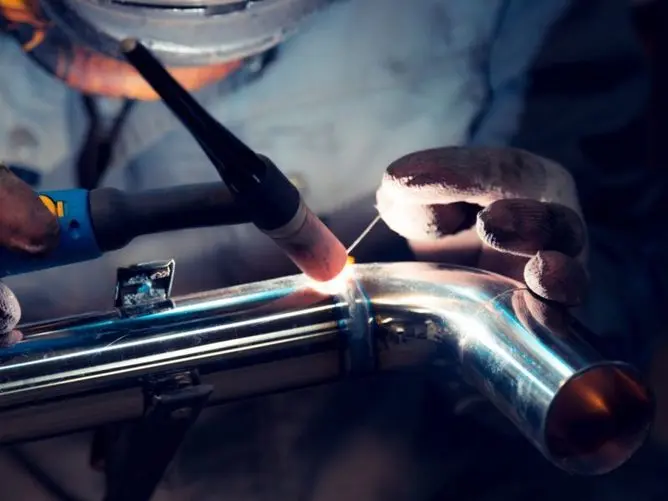
When parts have unique shapes, multiple cutouts, or hard-to-reach areas, finishing them properly becomes a real challenge. It’s not just about removing leftover burrs from cutting or forming. It’s about protecting the surface from small scratches, scrapes, or gouges that could get worse over time. Rough spots might go unnoticed at first but can lead to bigger problems down the road.
That’s where deburring services help bring things into focus. By smoothing the edges and getting rid of burrs the right way, we can protect those important surfaces and keep parts working the way they should. From aerospace to electric vehicles, no matter the industry, a smooth surface helps keep everything on track.
Surface trouble usually starts earlier than most think. Right after parts are cut or shaped, small, sharp pieces, called burrs, often form along the edges. If the part has grooves, holes, or tight corners, these spots tend to collect extra debris during machining.
These leftover bits don’t just affect how the part looks. They can catch during assembly or rub against nearby components. That can cause wear, friction, or misalignment over time. Burrs left near mounting points, holes, or threading make it even harder to get consistent performance.
It’s not just about removing them. It’s knowing where they hide. We look closely at edges, bends, and internal corners where debris likes to stick around the most. Tracking these problem spots early in the process helps us choose the right finishing methods later on.
Every part has its own shape, size, and material. That’s why one type of deburring doesn’t fit all. We look at what we’re working with, then figure out the best approach. Each method has tradeoffs. Some are better for thin materials, while others can handle thicker ones or complex grooves.
Here are the most common methods we use:
• Manual deburring works for small batches or detailed areas that need a personal touch
• Vibratory or mechanical processes move larger parts through media that smooth rough edges
• Thermal or specialized tools work well on parts that handle heat or pressure better than soft materials
The tools we choose matter too. Soft brushes may work on aluminum, while harder surfaces need heavier-duty tools. Using the wrong finish can cause micro scratches or leave swirl marks behind.
That’s why matching the technique to the shape, thickness, and sensitivity of the metal plays a big part in protecting its surface. It helps us keep parts clean, even, and ready for handling without doing extra damage in the process.
A part can move around during processing if it’s not held the right way. And when that happens, damage tends to follow. That might show up as dented edges, scratches, or deeper marks from being bumped during finishing. It’s one of the most preventable mistakes we see.
To stop that from happening, we use:
• Holding fixtures that keep the part still without putting pressure on delicate edges
• Custom supports for parts with odd curves or sides that don’t sit flat
• Clamping systems that balance grip and movement, so we can reach all areas safely
This kind of support lets us work on complex areas without digging into the metal or twisting the part out of shape. When we can hold something steady from start to finish, we cut down on unwanted friction and mistakes.
We pay close attention to how each piece is positioned, especially when dealing with a flat face right next to a fragile bend. It’s small details like this that can make or break surface quality.
Taking the time to check each part after finishing might sound like a slow step, but skipping it can cost more later. We know how easy it is to miss a tiny burr hiding inside a corner, especially on stacked or layered parts.
To stay consistent, we rely on a repeatable plan:
• Check each part’s key surfaces with the same process every time
• Use consistent tooling pressure and motion across similar part shapes
• Regularly clean and inspect brushes and tools to avoid accidental scratching
The tools we use every day can wear down too. If the brush bristles harden or dull, they may scratch instead of smooth. Keeping everything in check helps maintain a consistent finish across different batches or repeats of the same part.
Making these steps part of the routine helps us catch problems before they leave the floor. And that builds trust in how every finished piece turns out.
Working with metals in January or February brings a few seasonal challenges. Cold temperatures can make some materials more fragile, especially thinner or high-carbon options. Even steady hands need to adjust when the shop floor feels a few degrees cooler than normal.
Things we watch out for during cold-season runs:
• Certain metals may chip or flake when pressure is too high during deburring
• Fine details, like edges or cutouts, can crack more easily in cooler conditions
• Holding and moving parts with cold, stiff gloves can lead to accidental bumps or drops
We take extra care with clamping pressure, tool speed, and movement during colder months. Slowing down just a bit pays off when it keeps a sensitive part from cracking. It might not be freezing indoors, but the temperature still plays a part in how materials respond to cutting and smoothing.
Clean, burr-free parts help every other step go faster. Whether we’re sending the part for final coating, fitting it into a frame, or packaging it for shipment, a smoother finish means fewer snags and less rework. It’s part of building reliability into every stage that comes after.
Using the right deburring steps protects part surfaces, keeps tiny defects from growing, and helps everything stay within tight tolerances. With complex parts, burrs aren’t just an appearance issue. They affect function, fit, and sometimes safety.
When we take the time to match the method to the design and double-check our work, we set the stage for success. It turns out that even the smallest details, like how a corner is finished, can make a big difference in the end.
Every part we handle requires the right approach because surface quality can affect how it fits or moves in the final assembly. We have learned that precise techniques, steady hands, and the right timing are essential for finishing complex parts correctly. Our deburring services showcase the detailed attention we give to surface cleanup and edge finishing, ensuring every component remains clean, ready, and in prime condition for the next stage. At Banner Metals Group Inc., we are committed to excellence, so contact us today to discover how we can help your parts perform at their best.