Aerospace metal fabrication might sound similar to regular metalwork, but they’re not quite the same. There’s a higher level of care, precision, and follow-through that sets aerospace work apart from what you’d find in standard fabrication. Every part has to do more than just fit, it has to hold up under pressure, at high altitudes, and in unpredictable conditions.
When you’re dealing with aircraft, there’s no room for error. The materials, the way we shape them, and the rules we follow all have to be a step above. In aerospace, close enough isn’t good enough. Mistakes aren’t just frustrating, they can be dangerous. That’s why aerospace metal fabrication brings a different mindset to how parts are built and judged, from the very first step. We have been a valued partner for the aerospace industry since 1948, which gives us decades of experience working with these expectations.
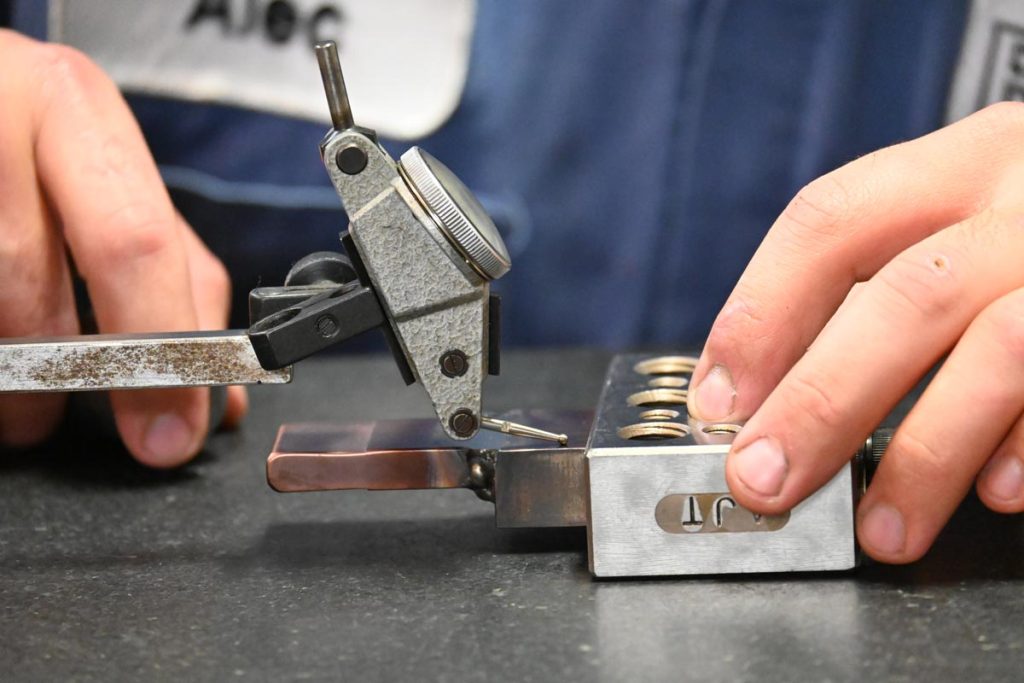
In most industries, we can sometimes allow for a little wiggle room. A few thousandths of an inch off might not cause a part to fail. But when we’re working on aerospace components, those tiny gaps can add up to serious problems.
Every piece we touch in aerospace has to match strict standards for shape, thickness, and strength. It’s about keeping things consistent, not just once, but over and over again across hundreds or thousands of parts. These pieces connect to systems that rely on friction balance, weight distribution, and vibration control.
Here’s how that level of precision shows up on the shop floor:
Compare that to general fabrication, where parts might serve in a warehouse or a truck. There, the conditions aren’t as extreme, and the consequences of a slightly off corner or uneven bend might be limited to extra wear or noise. In aerospace, we don’t take that chance. The stakes are simply higher.
Working with aerospace components isn’t just about using metal, it’s about using the right metal, in the right way
Aerospace parts often call for materials like titanium, aluminum alloys, or composites. These are lighter than steel but still strong enough to hold up under stress. That tradeoff is important, especially when weight affects how a plane handles in the sky.
But these materials come with their own set of challenges:
Those changes don’t just affect how we build, they also affect the order of steps, the machines we choose, and how long jobs take. In general metal fabrication, you might use the same process across many materials. But with aerospace projects, each material changes the plan.
The goal is to balance strength, weight, and heat performance, without damaging the metal along the way. That kind of focus takes more time and more planning upfront.
When it comes to aerospace work, the rules don’t just ask for quality, they demand it, every time.
There are strict codes that guide how we build and how we check every part. These aren’t suggestions. They’re mandatory steps that keep people safe in the air. Once a part leaves our hands, it might go into something that flies at high speed, above freezing clouds, day after day. We have to build like that piece will be under pressure at all times. Our quality management system is certified to ISO 9001:2015 and AS9100D, so our processes align with the expectations of aerospace and defense manufacturers, including commercial, military, regional, and business class aircraft programs.
Some ways aerospace standards differ from general fabrication include:
In a general fabrication job, you might be able to rely on visual inspections or simple measurements. In aerospace, we dig deeper. We can’t assume a weld looks good, we have to prove it holds. We don’t skip checking internal measurements because no one will see them. Every inch matters.
These steps may add time, but they also build trust that the part will do its job when everything is on the line.
Parts built for aircraft don’t just face pressure from use, they face pressure from nature.
Aerospace components are exposed to freezing cold at high altitudes and hot engine environments on the ground. There are sudden changes in pressure, wind, vibration, and speed. That means we can’t just build based on how a part works in the shop. We have to understand how it will hold up once it’s out in real conditions.
These environmental factors shift how we handle fabrication:
If a part is going onto a plane, we assume it will face tough days. Heat, cold, air pressure, moisture, there’s no point when conditions are perfect for the part to function. So, we try to build the issues out before they ever show up in flight.
That approach starts in planning and carries all the way through inspection. It’s a different mindset than fabricating something meant to stay on the ground.
All these differences between general work and aerospace builds come back to one thing, trust. When a plane takes off, nobody wants to guess if the components were close enough. We all count on those parts to work the way they should, no matter what.
Aerospace metal fabrication requires us to be more accurate, more careful, and more detailed in everything we do. Once a part is locked into an aircraft, replacing or repairing it gets a lot more complicated. That’s why all the work happens upfront.
Smaller errors that might be safe in a general setting can turn into real risks when flying through the sky. So, we build with that in mind. Not because it’s harder, but because it has to be.
At Banner Metals Group Inc., we take pride in the level of care that goes into every part we build. From planning to inspection, our work reflects the responsibility that comes with supporting air travel and safety. If you’re working in industries that demand high performance under pressure, you already understand how expectations rise with altitude. Our approach to aerospace metal fabrication keeps that standard front and center. Contact us to talk through how we can support your next precision project.